
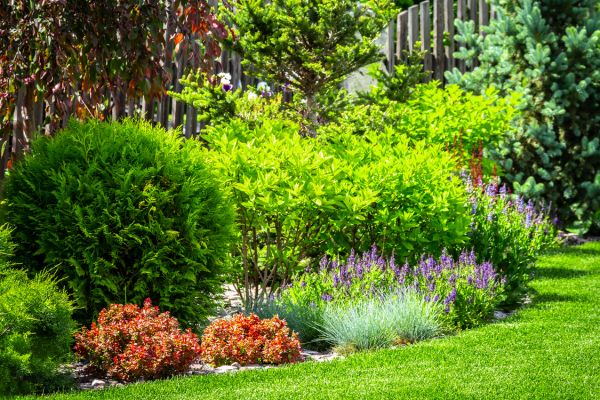
A healthy garden has a rhythm to it—the quiet hum of bees, the slow unfurling of leaves, the satisfying weight of ripening fruit. But every gardener, sooner or later, notices something off. A chewed edge here, a curled leaf there. It’s rarely random. More often, it’s a sign that something small and persistent has moved in.
This garden pest identification guide is designed to help you recognize those subtle clues before they turn into larger problems. The goal isn’t panic—it’s awareness. Once you know what you’re looking at, everything becomes easier to manage.
Why Pest Identification Matters More Than You Think
It’s tempting to treat all plant damage the same way, but not all pests behave alike. Some feed at night, others in plain sight. Some chew leaves, while others suck sap silently, leaving plants weak but intact.
Misidentifying a pest can lead to frustration. You might try to solve the wrong problem, only to watch the damage continue. When you identify a pest correctly, you start to understand its patterns—where it hides, what it prefers, and how quickly it spreads.
That’s when gardening shifts from guesswork to something closer to intuition.
Aphids and Their Quiet Takeover
Aphids are among the most common garden visitors, though “visitor” feels too polite for what they do. These tiny, soft-bodied insects gather in clusters, usually on the undersides of leaves or along tender stems.
They don’t chew. Instead, they pierce plant tissue and draw out sap, which weakens the plant over time. Leaves may curl, yellow, or appear distorted. You might also notice a sticky residue—often called honeydew—on nearby surfaces.
What makes aphids tricky is how quickly they multiply. A small group can become a full infestation in what feels like days. If you spot even a few, it’s worth paying attention.
Caterpillars and the Evidence They Leave Behind
Caterpillars don’t hide their presence well. They chew, and they chew a lot. If you see large, irregular holes in leaves, there’s a good chance a caterpillar is involved.
Sometimes you’ll spot them directly—plump, slow-moving, and surprisingly well-camouflaged. Other times, you’ll notice small dark droppings on leaves below, a quiet hint that something has been feeding overhead.
While it’s easy to see them as purely destructive, they’re also part of a larger life cycle. Many eventually become butterflies or moths. The challenge lies in deciding how much damage your plants can tolerate.
Slugs and Snails in the Night Garden
Some pests prefer the cover of darkness. Slugs and snails fall firmly into that category. You might never see them during the day, but their work is unmistakable.
Leaves appear ragged, with soft, uneven holes. Seedlings may vanish almost entirely overnight. And then there’s the telltale sign: a silvery, glistening trail left behind as they move.
Damp conditions tend to encourage their activity, so after rain or watering, it’s worth taking a closer look. A flashlight and a quiet evening walk can reveal more than you’d expect.
Spider Mites and the Fine Web of Damage
Spider mites are easy to miss at first. They’re incredibly small, often appearing as tiny moving dots. But their impact builds steadily.
Look for fine webbing stretched across leaves or between stems. Leaves may develop a speckled, dusty appearance, eventually turning yellow or dry. In hot, dry conditions, spider mites thrive, making them especially common in mid to late summer.
What makes them challenging is their subtlety. By the time the webbing is visible, they’ve usually been present for a while.
Whiteflies and the Sudden Cloud
Whiteflies reveal themselves in motion. Brush against an affected plant, and a small cloud of white insects lifts into the air before settling again.
They gather on the undersides of leaves, feeding in much the same way aphids do—by extracting sap. Over time, leaves may yellow, wilt, or drop prematurely.
Their presence can feel sudden, but like many pests, they’ve usually been building quietly. Once you know the sign—the brief flutter of white—it’s hard to miss.
Beetles and Their Distinct Feeding Patterns
Beetles come in many shapes and colors, but their feeding patterns often give them away. Some create a “skeletonized” look, eating the soft tissue between leaf veins and leaving a delicate framework behind.
Others chew clean, round holes. You might spot the beetles themselves—metallic, striped, or plain brown—resting on leaves during the day.
Because there are so many types, identification can take a bit more observation. Still, their damage tends to follow recognizable patterns, which is often enough to narrow things down.
Leaf Miners and the Hidden Trails
Leaf miners are subtle artists. Instead of feeding on the surface, their larvae tunnel between the layers of a leaf, creating pale, winding trails.
At first glance, the damage might look decorative—thin, squiggly lines tracing across the leaf surface. But over time, affected leaves can weaken and drop.
Because the larvae are protected inside the leaf, they’re harder to spot directly. In this case, the pattern itself is the clue.
Scale Insects and the Illusion of Stillness
Scale insects don’t move much, which makes them easy to overlook. They appear as small, raised bumps on stems or leaves, sometimes resembling part of the plant itself.
Like aphids and whiteflies, they feed on sap. Over time, plants may weaken, and leaves can yellow or drop. A sticky residue may also develop, attracting other issues.
Their stillness is deceptive. What looks like a harmless texture change can, in fact, be a growing population.
Learning to Read Your Garden
A garden pest identification guide isn’t just about memorizing insects. It’s about learning to read signs—small changes that hint at something happening beneath the surface.
You start to notice patterns. Damage that appears overnight versus damage that builds slowly. Leaves that curl inward compared to those that simply fade. Even the time of day can offer clues.
There’s a certain calm that comes with this awareness. Instead of reacting to problems, you begin to anticipate them.
Seasonal Shifts in Pest Activity
Pests follow the seasons just as plants do. Early in the growing season, you might see aphids clustering on fresh growth. As temperatures rise, spider mites become more active. Later still, beetles and caterpillars may take center stage.
Weather plays a role too. Damp conditions invite slugs and snails, while dry spells encourage mites. Paying attention to these shifts can make identification quicker and more accurate.
Over time, your garden develops its own rhythm, and the patterns become familiar.
When Observation Becomes Instinct
At first, identifying pests can feel like detective work. You compare symptoms, look up images, and second-guess your conclusions. But gradually, something changes.
You begin to recognize signs almost immediately—the way a leaf curls, the texture of damage, the faint shimmer of a trail. It becomes less about searching for answers and more about noticing what’s already there.
That’s the quiet reward of learning your garden closely.
Conclusion
A thoughtful garden pest identification guide does more than list insects—it teaches you how to see. Every chewed edge, every speckled leaf, every delicate trail carries information.
The garden, in its own way, is always communicating. Once you learn its language, even the presence of pests feels less like a disruption and more like part of an ongoing conversation.
And in that conversation, you’re no longer guessing. You’re paying attention.