
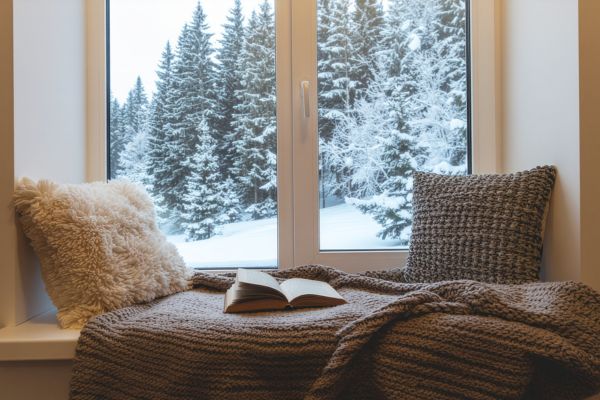
There’s a quiet shift that happens when the air turns crisp and the evenings start closing in earlier than you expect. You notice it in small ways first—a draft near the window, a chill creeping under the door, the sound of wind testing the edges of your home. Preparing for that shift isn’t just practical; it’s a kind of seasonal ritual.
A thoughtful Winterizing Your Home Checklist isn’t about overhauling everything overnight. It’s about noticing where your home needs attention and making small, steady adjustments that add up to comfort, efficiency, and peace of mind through the colder months.
Understanding Why Winter Preparation Matters
Homes behave differently in winter. Materials contract, moisture behaves unpredictably, and heating systems work harder than they have all year. What felt perfectly fine in summer can suddenly reveal weaknesses once temperatures drop.
Drafts become more noticeable. Pipes face the risk of freezing. Heating costs creep upward. And yet, many of these issues can be softened—or avoided entirely—through a bit of preparation.
Winterizing isn’t about perfection. It’s about resilience. It’s about making your space ready for whatever the season brings, whether it’s mild chill or deep cold.
Sealing Out the Cold Before It Settles In
One of the first things people notice in winter is how easily cold air finds its way indoors. It slips through tiny gaps around windows, doors, and even electrical outlets on exterior walls.
Start by paying attention to how your home feels rather than how it looks. Run your hand along window edges. Stand near doors on a windy evening. That subtle chill you feel is exactly what needs addressing.
Weatherstripping can make a noticeable difference around doors, especially older ones that no longer sit perfectly in their frames. Caulking along window edges helps close off those fine cracks that expand with seasonal changes. Even heavier curtains can add a surprising layer of insulation.
It’s less about sealing your home airtight and more about slowing the exchange between inside and out.
Giving Your Heating System a Head Start
There’s something reassuring about turning on the heat and knowing it will respond without hesitation. But heating systems, like anything else, need a bit of attention before they’re pushed into daily use.
Cleaning or replacing filters is one of those small tasks that carries more weight than it seems. A clogged filter forces the system to work harder, reducing efficiency and sometimes shortening its lifespan.
Listening matters here, too. When you first run your heater after months of inactivity, pay attention to unusual sounds or smells. A faint dusty scent is normal at first, but anything persistent or sharp deserves a closer look.
The goal isn’t just warmth—it’s steady, reliable warmth that doesn’t come with surprises.
Protecting Pipes from the Quiet Threat of Freezing
Frozen pipes are one of winter’s more disruptive problems, and they often arrive without much warning. Water expands as it freezes, and that pressure can cause pipes to crack or burst.
The areas most at risk are those that aren’t consistently heated—basements, garages, and exterior walls. Insulating exposed pipes in these spaces can help maintain a safer temperature.
It’s also worth being mindful during particularly cold nights. Allowing a slight trickle of water to run from taps connected to vulnerable pipes can reduce pressure buildup. Keeping cabinet doors open under sinks helps warmer air circulate where it’s needed most.
These small habits can prevent much larger issues later.
Checking the Roof and Gutters Before Winter Deepens
Your roof is your home’s first defense against winter weather, yet it’s easy to overlook until something goes wrong.
Take a moment to consider its condition before heavy rain or snow arrives. Missing or damaged shingles can allow moisture to seep in, and once that happens, the problem rarely stays contained.
Gutters play an equally important role. When they’re clogged with leaves or debris, water has nowhere to go. In colder temperatures, that standing water can freeze, creating ice buildup that affects both gutters and roof edges.
Cleaning them out might not be the most enjoyable task, but it’s one of the simplest ways to protect your home from avoidable damage.
Windows That Work With You, Not Against You
Windows are often the biggest source of heat loss in a home, especially if they’re older or single-pane. Even modern windows can let warmth escape if seals have weakened over time.
There’s a balance to strike here. You want natural light during shorter days, but you also want to keep heat inside where it belongs.
Window film can provide an extra insulating layer without blocking light. Heavier curtains or thermal drapes add protection during the coldest parts of the day and night. And simply ensuring that windows close tightly can make a noticeable difference.
It’s not about shutting out winter completely—it’s about managing how much of it enters your space.
Preparing Outdoor Spaces for the Season Ahead
Winterizing your home doesn’t stop at the front door. Outdoor areas need attention too, especially those connected to water systems or exposed to harsh conditions.
Garden hoses should be disconnected and drained before temperatures drop too low. Leaving them attached can trap water inside outdoor faucets, increasing the risk of freezing.
Outdoor furniture, if left exposed, can wear down more quickly under winter conditions. Covering or storing it helps preserve its condition for the seasons ahead.
Even small steps like these contribute to a smoother transition into winter, reducing the number of issues waiting for you when spring arrives.
Managing Indoor Comfort Beyond Temperature
Warmth is only part of what makes a home feel comfortable in winter. Air quality and humidity play their own roles, often in ways that go unnoticed until something feels off.
Heating systems tend to dry out indoor air, which can lead to discomfort—dry skin, irritated sinuses, and even static electricity becoming more noticeable. A humidifier can help restore balance, making the environment feel more natural.
Ventilation is still important, even in colder weather. Briefly opening windows during milder moments allows fresh air to circulate, preventing that closed-in feeling that sometimes develops during winter months.
Comfort isn’t just about heat; it’s about how the whole space feels.
Safety Checks That Shouldn’t Be Overlooked
Winter brings an increased reliance on heating appliances, fireplaces, and sometimes backup systems. With that comes a greater need for awareness.
Smoke detectors and carbon monoxide detectors should be tested to ensure they’re functioning properly. Batteries that worked fine months ago may not last through the season.
If you use a fireplace, making sure the chimney is clear and in good condition can prevent both inefficiency and risk. It’s one of those tasks that often slips through the cracks until it becomes urgent.
These checks don’t take long, but they carry a weight that’s hard to overstate.
Small Habits That Make Winter Easier
Beyond the physical preparations, there’s something to be said for the small routines that develop during winter.
Keeping a pair of slippers near the door, adjusting how you layer clothing indoors, or even rearranging a room slightly to make better use of sunlight—these aren’t major changes, but they shape how you experience the season.
A Winterizing Your Home Checklist isn’t just about tasks to complete. It’s about creating an environment that supports you through months that can feel long and, at times, demanding.
A Season Prepared, A Home at Ease
Winter has a way of testing the spaces we live in, but it also invites a different kind of attention—one that’s slower, more deliberate, and often more rewarding.
By taking the time to prepare, you’re not just protecting your home from the cold. You’re shaping how it feels when you step inside after a long day, how it holds warmth, and how it supports the quiet rhythms of the season.
In the end, winterizing isn’t about checking off a list and moving on. It’s about settling in, knowing your home is ready, and letting the season unfold without unnecessary interruptions.