
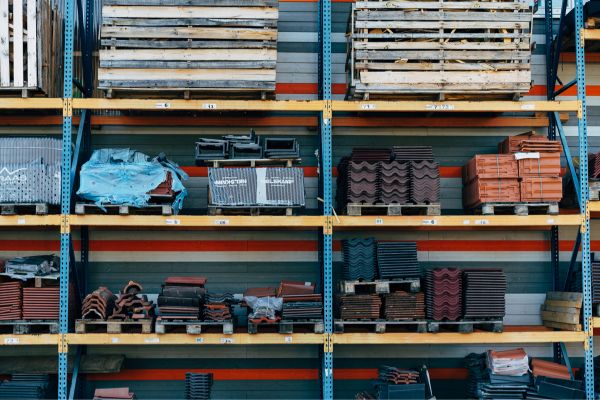
A garage can become many things at once. It is a parking spot, a storage room, a workshop, a sports equipment corner, a gardening station, and sometimes the unofficial home for everything that does not quite belong inside the house. That is useful, of course, but it also explains why garages become cluttered so quickly. One weekend you place a few storage boxes near the wall, and before long, the floor is crowded with paint cans, tools, old decorations, bicycles, cleaning supplies, and things you forgot you owned.
Good garage shelving ideas can completely change that. Shelving does not just create storage; it gives the garage structure. It lifts items off the floor, makes use of empty wall space, and helps every object find a proper place. The goal is not to make the garage look like a perfect showroom. Most real garages have a little dust, a few odd-shaped tools, and at least one mystery box. The goal is to make the space easier to use, easier to clean, and less frustrating every time you open the door.
Why Garage Shelving Makes Such a Big Difference
The garage floor is valuable space. When too many things sit directly on it, the room starts to feel smaller than it really is. You may still have plenty of square footage, but it becomes hard to walk, park, sweep, or find what you need. Shelving solves this problem by moving storage upward.
A well-planned shelving system also helps prevent the familiar “garage pile” problem. Without shelves, items get stacked wherever there is a gap. Heavy boxes end up on top of fragile ones. Tools get buried. Seasonal decorations disappear behind lawn equipment. With shelving, categories become clearer. You can keep car supplies together, gardening items in one section, holiday boxes up high, and everyday tools within easy reach.
There is also a quiet mental benefit. A garage with organized shelves feels calmer. You can see what you have. You waste less time searching. And perhaps most importantly, you are less likely to buy duplicates of things already sitting somewhere behind a dusty storage bin.
Wall-Mounted Shelves for Everyday Storage
Wall-mounted shelves are one of the most practical garage shelving ideas because they use vertical space without taking over the room. They work especially well along side walls, above workbenches, or in areas where floor space needs to stay open.
The best thing about wall-mounted shelves is their flexibility. You can install a single long shelf for storage bins or create several shorter shelves for tools, paint supplies, and household extras. If the garage is narrow, shallow shelves can still make a difference without making the space feel tight.
For everyday storage, keep the items you use most often at eye level or slightly below. Car cleaning products, extension cords, small toolboxes, garden gloves, and sports accessories should be easy to grab. Heavier items should sit lower, where they are safer to lift. Lighter or seasonal items can go higher.
The trick is to avoid turning wall shelves into a dumping zone. Open shelving is visible, which is both helpful and unforgiving. Matching bins or clearly labeled containers can make the whole setup feel cleaner, even when the contents are practical and ordinary.
Heavy-Duty Shelving for Tools and Bulky Items
Some garage items are simply too heavy for light shelves. Power tools, large paint cans, automotive supplies, bags of soil, and storage tubs filled with books or hardware need stronger support. In these cases, heavy-duty shelving is often the smarter choice.
Freestanding metal or reinforced shelving units can hold a surprising amount when they are placed correctly. They are useful for renters too, since they usually do not require permanent wall installation. A sturdy shelving unit against the back wall of the garage can become the main storage zone for the entire space.
When using heavy-duty shelves, think carefully about weight placement. The heaviest items belong on the lowest shelves. This keeps the unit more stable and makes lifting safer. Medium-weight items can go in the middle. Lightweight, rarely used items can sit at the top.
This type of shelving is not always the prettiest, but in a garage, function matters more than decoration. A strong shelf that safely holds your equipment is far better than a stylish one that bends under pressure.
Ceiling Shelves for Seasonal Storage
Ceiling storage is one of the most overlooked garage shelving ideas, yet it can be incredibly useful. The space above your head is often empty, especially above the garage door track or near the center of the ceiling. With proper overhead shelving, that unused area can hold items you only need a few times a year.
Seasonal decorations, camping gear, beach chairs, winter equipment, and extra storage bins are good candidates for ceiling shelves. These are not things you need every day, so it makes sense to place them out of the way.
However, ceiling shelving needs careful planning. It should be securely installed and appropriate for the weight it carries. This is not the place for guessing or taking shortcuts. Items stored overhead should also be packed safely, with nothing loose that could fall when a bin is moved.
For many garages, ceiling shelves create the biggest visual improvement. Once seasonal items are lifted off the floor and walls, the garage suddenly feels more open. It may even become possible to park comfortably again, which is usually the original purpose of the space.
Corner Shelving for Awkward Spaces
Garage corners are often wasted. They collect random items, half-empty boxes, broken tools waiting to be fixed, or things placed there “just for now.” Corner shelving turns those awkward spaces into useful storage.
Tall corner shelves are excellent for smaller garages because they make use of areas that do not naturally fit larger shelving units. They can hold gardening supplies, cleaning products, small containers, helmets, or household maintenance items.
Corner shelving also works well near a garage entry door. You can create a practical drop zone for shoes, outdoor accessories, pet supplies, or reusable shopping bags. It does not have to be fancy. Even a simple shelf with a few baskets can make the transition between home and garage feel more organized.
The key with corners is visibility. If the shelf is too deep, items at the back may disappear. Shallow or tiered shelving usually works better because you can see and reach everything without digging.
Adjustable Shelving for Changing Needs
Garages change over time. A young family may need space for strollers, scooters, and sports gear. Later, the same area may become a tool zone, hobby space, or storage area for college boxes. Adjustable shelving allows the garage to change without requiring a complete redesign.
Shelving systems with movable brackets or adjustable shelf heights are especially useful when you store items of different sizes. Tall bottles, short bins, tool cases, and odd-shaped equipment can all fit more easily when shelves are not fixed forever in one position.
This flexibility also helps when you reorganize. Sometimes you do not know the best shelf height until you actually start placing items. Adjustable shelves give you room to experiment. That may sound like a small detail, but it can prevent a lot of frustration.
If you are unsure where to start, adjustable shelving is usually a safe choice. It gives the garage room to evolve, which is exactly what most homes need.
Open Shelves Versus Closed Cabinets
Open shelving and closed cabinets both have their place in a garage. Open shelves make items easy to see and reach. They are ideal for bins, tools, garden supplies, and things you use often. They also encourage better organization because everything is visible.
Closed cabinets, on the other hand, hide visual clutter. They are useful for chemicals, sharp tools, small hardware, or items you prefer to keep out of sight. Cabinets can make a garage look neater, especially if the space also functions as a workshop or hobby area.
The best setup often combines both. Use open shelves for practical storage and cabinets for items that need extra protection or should not be easily accessible to children or pets. This balance keeps the garage functional without making it feel chaotic.
It is worth remembering that closed storage can become messy inside if it is not maintained. A cabinet door can hide clutter, but it cannot solve it. Whether storage is open or closed, categories and labels still matter.
Simple Shelving Zones That Make Sense
One of the easiest ways to organize a garage is by creating zones. Instead of placing items wherever they fit, group them by purpose. This makes shelves easier to use and easier to maintain.
A tool zone might include hand tools, screws, nails, power tools, and work gloves. A garden zone could hold soil, pots, seeds, sprays, and watering accessories. A seasonal zone might include holiday decorations, winter gear, and outdoor items used only part of the year. A sports zone can hold balls, helmets, rackets, and bags.
When each shelf has a purpose, the garage becomes more intuitive. Everyone in the household has a better chance of putting things back where they belong. It also becomes easier to notice when one category is taking over too much space.
Making Garage Shelves Look Neater
Garage shelving does not need to be decorative, but it can still look tidy. Clear bins are useful when you want to see contents quickly, while solid bins create a cleaner visual effect. Labels help either way. Large, simple labels are better than tiny ones, especially in a space where lighting may not be perfect.
Try not to overcrowd each shelf. A little empty space is not wasted space; it makes items easier to remove and return. Overpacked shelves may hold more, but they often become annoying to use.
It also helps to store similar containers together. A shelf full of mismatched boxes can look messy even when it is organized. You do not need to replace everything at once, but gradually using similar bin sizes can make the garage feel more orderly.
Safety Matters More Than Style
Garage shelving should always be planned with safety in mind. Heavy items should not be stored above head height. Shelves should be properly anchored when needed. Chemicals, sharp tools, and hazardous supplies should be stored securely, especially in homes with children or pets.
It is also important to leave enough walking space. A shelf that technically fits may still be a bad idea if it makes it difficult to move around or open car doors. Measure carefully and think about how the garage is used on normal days, not just when it is empty.
Good shelving should make life easier. If it creates narrow paths, awkward lifting, or hidden hazards, it needs adjusting.
Conclusion
Garage shelving ideas are really about making better use of the space you already have. A garage does not need to be large to be functional, and it does not need expensive storage to feel organized. With thoughtful shelves, clear zones, and a realistic approach to what your household actually stores, even a crowded garage can become easier to manage.
The best shelving setup lifts clutter off the floor, keeps useful items within reach, and gives seasonal or rarely used belongings a sensible place to live. It should feel practical, not perfect. After all, a garage is a working space. It holds the tools, supplies, and everyday extras that support the rest of the home.
When everything has a place, the garage stops feeling like a forgotten storage corner and starts becoming part of the home again. That is the real value of good shelving: not just more space, but a calmer, more useful way to live with the things you own.