
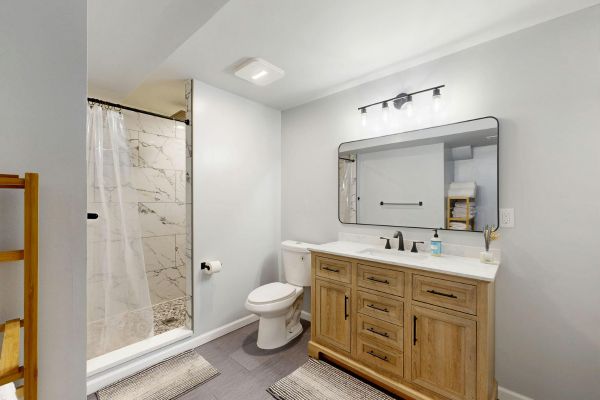
A bathroom renovation sounds exciting until you start thinking about tiles, plumbing, waterproofing, measurements, fixtures, lighting, and the small problem of not having a working bathroom for a while. It is one of the most used rooms in the home, so even a simple update can feel like a big project. Still, a DIY bathroom renovation can be completely manageable when it is approached with patience, planning, and a realistic idea of what should be done by hand and what should be left to a professional.
For beginners, the goal is not to create a magazine-perfect bathroom overnight. It is to make thoughtful improvements that look good, function well, and do not create expensive problems later. Some parts of the renovation may be simple, like painting walls, changing hardware, updating a mirror, or replacing a vanity. Other parts, such as moving plumbing, rewiring electrical points, or waterproofing a shower area, need much more care.
A successful bathroom renovation begins before anything is removed. It starts with looking honestly at the space and asking what really needs to change.
Understanding What Your Bathroom Really Needs
Before buying tiles or choosing a new sink, spend time studying the bathroom as it is. Notice what feels uncomfortable. Is the storage poor? Is the lighting too dim? Does the layout feel cramped? Are the tiles outdated but still in good condition? Is there moisture damage near the shower or around the toilet?
This early stage matters because many people begin with style and forget function. A beautiful bathroom that still has poor ventilation, awkward storage, or water pooling around the shower will not feel successful for long. Renovation should solve problems, not just cover them with new finishes.
For a beginner, it is usually wise to keep the existing layout if possible. Moving a toilet, shower, or sink can quickly turn a simple DIY bathroom renovation into a complicated and expensive project. Working with the current plumbing positions keeps the job more realistic and reduces the risk of hidden issues.
Setting a Realistic Budget
Bathroom costs can grow quietly. A tap here, grout there, a new light fixture, extra screws, sealing products, paint, primer, waste bags, tools, and suddenly the project costs more than expected. That is why a clear budget is not just helpful; it is necessary.
Start by listing the main changes you want to make. Then separate them into essential updates and nice-to-have improvements. Essential updates might include repairing water damage, replacing a broken vanity, improving ventilation, or fixing cracked tiles. Nice-to-have changes may include decorative shelving, a new mirror shape, upgraded handles, or a different paint color.
It is also smart to keep extra money aside for surprises. Bathrooms hide problems well. Once you remove old flooring or open up a wall, you may discover damp patches, mold, loose boards, or plumbing that needs attention. A beginner-friendly budget leaves room for these moments instead of pretending they will not happen.
Planning the Design Before Work Begins
The design stage is where the bathroom begins to feel personal. This is also where it is easy to get carried away. There are endless tile patterns, wall colors, fixtures, finishes, and storage ideas, but a small bathroom usually looks best when the design is kept calm and consistent.
Choose a simple color direction first. Soft neutrals, warm whites, gentle grays, muted greens, and pale blues work well in bathrooms because they make the space feel clean and open. Darker colors can look beautiful too, especially in powder rooms, but they need good lighting to avoid feeling heavy.
Think about finishes as a group rather than selecting each item separately. If the tap, shower fittings, towel rail, mirror frame, and cabinet handles all compete with one another, the bathroom may feel busy. Matching everything perfectly is not required, but the pieces should feel connected.
For beginners, a simple design is often more forgiving. Clean lines, practical storage, and easy-to-maintain surfaces usually age better than overly trendy choices.
Knowing What You Can Do Yourself
A DIY bathroom renovation does not mean doing every single task without help. In fact, one of the smartest DIY decisions is knowing your limits. Many beginner-friendly jobs can make a big difference without putting the home at risk.
Painting walls, replacing cabinet handles, installing shelves, updating a mirror, sealing gaps, changing a toilet seat, fitting towel hooks, and refreshing grout are manageable for many homeowners. Replacing a vanity may also be possible if the plumbing connections are straightforward and you feel confident following instructions.
More technical jobs need caution. Electrical work in a bathroom is serious because water and electricity are close together. Plumbing mistakes can cause leaks that damage floors, ceilings, and walls. Waterproofing a shower area must be done properly, or the results can be costly later. If a task affects safety, structure, water lines, or electrical systems, it is better to get professional help.
DIY should save money where it makes sense, not create bigger repair bills.
Preparing the Bathroom for Renovation
Preparation is not glamorous, but it makes the entire project smoother. Before starting, remove toiletries, towels, mats, bins, shelves, and anything else that may get dusty or damaged. If the bathroom is the only one in the home, plan the work in stages so the space is not unusable for longer than necessary.
Protect nearby floors and doorways. Bathroom renovation can create more dust than expected, especially when removing tiles or sanding surfaces. Keep tools organized and make sure you have basic safety items such as gloves, eye protection, and a mask when needed.
Turn off water supplies before working around taps, sinks, or toilets. This sounds obvious, but rushing can lead to messy accidents. Take photos before disconnecting anything so you have a visual reference later. Small steps like this are extremely helpful when putting things back together.
Refreshing Walls With Paint
Paint is one of the easiest ways to change the mood of a bathroom. It can make a tired room feel brighter, cleaner, and more intentional. However, bathroom paint needs to handle moisture better than ordinary wall paint.
Before painting, clean the walls thoroughly. Bathrooms collect soap residue and moisture, which can prevent paint from sticking properly. Fill small holes, sand rough areas, and use a suitable primer if the surface needs it. Around showers and baths, make sure there are no signs of mold or water damage before covering anything.
Choose a paint designed for humid spaces. The finish should be washable and resistant to moisture. A soft sheen often works well because it is easier to clean than a completely flat finish. Take your time with edges around mirrors, tiles, and fixtures. Careful painting is one of those details that makes a DIY job look much more polished.
Updating the Vanity and Sink Area
The vanity is often the visual anchor of the bathroom. Even if you do nothing else, improving this area can make the whole room feel newer. A dated vanity can sometimes be painted rather than replaced. New handles, a better faucet, and a fresh countertop can also change the look without requiring a full remodel.
If the vanity is damaged by moisture, swollen at the base, or poorly fitted, replacement may be the better choice. Beginners should measure carefully before buying anything. Check the width, depth, height, plumbing location, door swing, and how much walking space remains.
The sink area should be practical, not just attractive. There should be enough counter space for daily use and enough storage to keep clutter under control. A bathroom looks cleaner when everyday items have a place to go.
Giving Tiles and Grout a New Life
Old tile does not always need to be removed. If it is firmly attached and not cracked, cleaning and refreshing the grout may be enough. Grout can darken over time, making the bathroom look older than it really is. A deep clean, grout repair, or grout color refresh can make a surprising difference.
For areas where grout is missing or cracked, repair is important because gaps can allow water to move behind tiles. Around the bath, sink, and shower edges, old silicone may need to be removed and replaced. Fresh caulking creates a cleaner look and helps protect against water intrusion.
Replacing tile is a bigger job. It requires patience, accurate cutting, level placement, adhesive, spacers, grout, and sealing where needed. A small backsplash is a good beginner tile project. A full shower wall is much more demanding and should only be attempted after proper research and preparation.
Improving Bathroom Lighting
Lighting changes how every surface looks. A bathroom with poor lighting can feel dull even after renovation, while good lighting can make modest updates look more refined. The best bathrooms usually have layered lighting rather than one harsh ceiling light.
Vanity lighting is especially important because it affects shaving, skincare, makeup, and general use. Light should fall evenly on the face rather than casting strong shadows. If electrical changes are needed, this is a job for a qualified professional. However, beginners can still make improvements by choosing better bulbs, updating shades, or replacing fixtures where it is safe and permitted.
Warm, clean light often works well in bathrooms. It should feel fresh without being cold or clinical. The right lighting makes the room more comfortable, which is easy to underestimate until you experience the difference.
Choosing Practical Flooring
Bathroom flooring needs to handle water, humidity, cleaning, and daily traffic. It should not become slippery or damaged easily. For beginners, peel-and-stick vinyl tiles or click-lock waterproof flooring can be attractive options, depending on the bathroom and subfloor condition.
The surface underneath must be clean, dry, level, and stable. Flooring laid over damp or uneven areas will not perform well. If there is water damage around the toilet or bath, repair it before installing anything new.
Style matters, but safety and durability matter more. A bathroom floor should feel secure underfoot and easy to clean. Large patterns can make a small room feel busy, while simple flooring often helps the space look calmer and more open.
Adding Storage Without Crowding the Room
Bathroom storage is often limited, especially in smaller homes. A renovation is a good chance to make storage more thoughtful. Wall shelves, mirrored cabinets, vanity drawers, baskets, hooks, and recessed storage can all help reduce clutter.
The trick is to avoid overfilling the room. Too many shelves or cabinets can make a small bathroom feel tight. Choose storage that suits the way you actually live. If you use many daily products, closed storage may be better than open shelving. If the bathroom is mostly for guests, a simple shelf and clean countertop may be enough.
Good storage makes cleaning easier too. When fewer items sit around the sink and tub, surfaces can be wiped quickly. That small convenience matters over time.
Paying Attention to Ventilation
Ventilation is not the most exciting part of a DIY bathroom renovation, but it is one of the most important. A bathroom that stays damp will age quickly. Paint may peel, grout may darken, mirrors may fog constantly, and mold may appear in corners.
If the bathroom has a window, use it regularly. If it has an exhaust fan, make sure it works properly. A weak or noisy fan may need cleaning or replacement. Any electrical installation should be handled safely, but checking airflow and keeping vents clear is simple maintenance.
After showers, let the room dry out. Open the door, run the fan, or keep the window slightly open when possible. A renovated bathroom will stay beautiful longer if moisture is controlled from the start.
Taking Your Time With Finishing Details
Finishing details can make or break the final result. Uneven caulk, messy paint edges, loose handles, poorly placed hooks, or mismatched accessories can make a renovation feel rushed. Taking time at the end gives the space a more thoughtful look.
Install towel bars and hooks at comfortable heights. Make sure the mirror is centered with the vanity. Keep accessories simple. A bath mat, a soap dispenser, a small plant, or a neatly folded towel can soften the room without creating clutter.
This is also the stage where the bathroom begins to feel finished rather than just repaired. It does not need to be perfect. It just needs to feel clean, balanced, and easy to use.
Conclusion
A DIY bathroom renovation is one of the most satisfying home projects because the results are felt every day. Even small changes can make the room brighter, calmer, and more practical. The key is to begin with a clear plan, respect the limits of your skills, and focus on improvements that genuinely make the bathroom work better.
For beginners, success does not come from doing everything at once. It comes from careful choices: keeping the layout simple, refreshing what can be saved, calling in help for technical work, and paying attention to moisture, storage, lighting, and finish. A bathroom should not only look good in photos. It should feel comfortable on a busy morning, easy to clean at the end of the week, and reliable for years to come.
With patience and realistic expectations, a DIY bathroom renovation can turn an ordinary bathroom into a space that feels more personal, more functional, and much more enjoyable to use.