
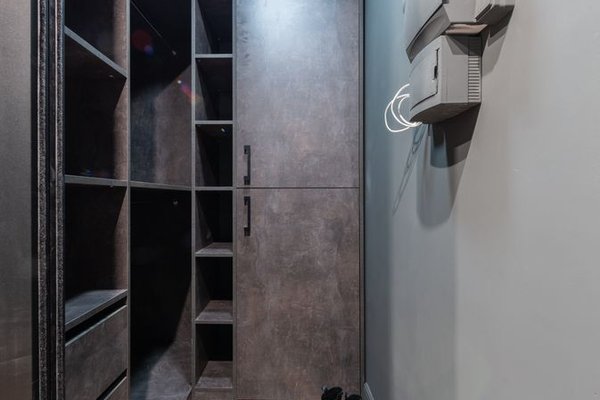
Shoes rarely create a mess all at once. A pair of trainers by the door is joined by school shoes, slippers, boots and the pair someone could not find yesterday. In a narrow entrance, that familiar pile quickly takes over the walking space. The most effective shoe storage ideas for small spaces are often organisational changes, not another cupboard or expensive rack.
The aim is simple: keep everyday pairs easy to reach, store occasional footwear elsewhere and make putting shoes away the natural thing to do.
Start with the shoes you actually wear
Take every pair out of the hallway and sort them into daily, occasional and seasonal groups. Keep only the daily shoes beside the entrance. Move formal shoes, holiday sandals and off-season boots to a bedroom cupboard or another dry storage spot. The smaller everyday group immediately becomes easier to manage.
Set a limit that fits your household. One pair per person might be enough for a compact entrance, while a household that walks the dog in all weather may need an additional outdoor pair. The point is not to impose a perfect number. It is to stop the hallway becoming storage for every shoe in the house.
Choose a home for each everyday pair
Good shoe organisation relies on a consistent return point. A shallow tray, an existing low shelf or a washable basket may be all you need. Put it close to where people naturally remove their shoes, rather than expecting everyone to carry footwear across the home.
Measure the available space before adding a rack. The door must open fully, and people should be able to pass without stepping around shoes. In busy hallways, a clear walking route matters more than squeezing in another pair.
Divide a shared space into zones
Give each person a section or separate shoes by purpose. Children’s school shoes might go on one side, adult everyday pairs on another and wet boots on a washable tray. Labels can help young children recognise their area. Clear zones are easier to maintain than a single mixed pile.
Use overlooked storage in other rooms
Small space shoe storage works best when it spreads less-used footwear sensibly around the home. Try the bottom of a wardrobe, an empty cupboard shelf or a container beneath the bed for clean, dry pairs. Keep frequently used shoes accessible and place occasional pairs further back.
An over-door organiser can be useful for lightweight footwear if its fittings are secure and it does not prevent the door from closing. In a cupboard, alternating the direction of shoes may help pairs fit more neatly. Avoid packing them so tightly that removing one pair upsets the rest.
For further ways to reclaim unused corners, small bedroom organisation ideas can complement a tidy hallway without encouraging more furniture purchases.
Design hallway shoe storage for rushed mornings
Consider a family of four leaving home around the same time. If each person leaves three pairs by the front door, twelve pairs compete for one small patch of floor. Keeping one everyday pair per person near the entrance reduces that number to four. The remaining shoes can stay in personal storage spaces until needed.
Place children’s shoes where they can reach them independently. Keep adult pairs together, not scattered under coats or alongside the stairs. A system should make the right shoes easy to find even when everyone is running late.
Give wet shoes a temporary drying area
Rain-soaked trainers and muddy boots need different treatment from clean shoes. Put them on a water-resistant, washable tray and remove loose dirt when practical. Allow airflow so moisture can escape. Avoid sealing damp shoes in plastic containers or placing them tightly against clean footwear.
Follow the care guidance for particular materials, especially leather or delicate finishes. When shoes have dried, return them to their normal storage spot. The drying tray should not turn into a second permanent pile.
Rotate footwear by season
Winter boots do not need a place beside the door in midsummer. Review your collection when the weather changes and move shoes that are unlikely to be worn for several months. Clean and dry them first, then keep them somewhere protected from dust and excessive moisture.
Grouping footwear by purpose makes it easier to retrieve later. Store walking boots together and keep formal shoes away from everyday trainers. A seasonal wardrobe storage routine can remind you to make these changes without turning them into a major project.
Make family shoe storage simple to maintain
The best family shoe storage is the kind people use without thinking. Young children may manage an open basket more easily than stacked boxes. Adults might prefer designated places on an existing shelf. Choose the simplest method for each person instead of demanding perfectly matching storage.
Introduce one easy rule: return shoes to their designated spot when you take them off. Allow wet footwear to dry first. A short weekly reset can reunite stray pairs, relocate rarely worn shoes and clear grit from beneath the storage area.
If the entrance repeatedly overflows, check whether too many pairs have crept back before buying another organiser. A hallway decluttering checklist may also help keep bags and coats from taking over the space you have freed.
Frequently asked questions
How do I store shoes in a very narrow hallway?
Keep only the pairs worn most often near the door and use shallow storage that does not obstruct walking or opening the door. Move everything else to a cupboard, wardrobe or bedroom storage area.
Can I organise shoes without buying a rack?
Yes. Use an existing shelf, low basket, cupboard compartment or washable tray. Give each pair a defined place and reduce the number stored near the entrance. Consistent habits matter more than specialised products.
Where should wet shoes be stored?
Place them on a water-resistant tray in a ventilated area, away from clean footwear. Allow them to dry completely before returning them to enclosed storage.
How can I stop children’s shoes collecting by the door?
Provide a low, easy-to-reach spot for each child’s everyday pair. Show them where shoes belong and keep the routine consistent. Regularly remove outgrown or seldom-worn footwear.
A clearer hallway starts with a smaller collection
Useful shoe storage ideas for small spaces are not complicated. Keep daily shoes close, find another home for occasional pairs, separate wet footwear and create an easy return routine. When every pair has a purpose and a place, even a busy hallway becomes easier to use.