
A roof can develop a problem long before water appears on a bedroom ceiling. A slipped slate, blocked gutter or damaged flashing might go unnoticed for months, particularly when the affected slope faces away from the street. The simplest way to catch these changes is to make roof checks part of your home maintenance routine.
So, how often should you inspect your roof? For most UK homes, a sensible starting point is twice a year, ideally in spring and autumn, with an additional visual check after significant storms or high winds. These are checks from safe locations, not invitations to climb a ladder or walk across the roof. Leave closer inspections to a competent roofing professional.
Why twice-yearly roof checks make sense
Spring and autumn give you opportunities to see how a roof has coped with different conditions. An early spring check can reveal damage caused by winter wind, frost and heavy rain. An autumn check helps identify loose coverings or drainage problems before unsettled weather.
This roof inspection frequency is a practical guideline, not a guarantee that problems cannot develop between visits. Historic England recommends inspecting pitched roof coverings twice yearly and after storms or high winds. The condition, age and exposure of your roof still matter.
Choose a dry, calm day with good visibility. If part of the roof cannot be seen safely, record that limitation instead of trying to reach a dangerous viewpoint.
When should you check your roof more often?
A regular roof check schedule should allow extra inspections when circumstances change. You do not need to examine the roof after every shower, but some events deserve attention.
After strong winds or a major storm
Look for missing or displaced slates and tiles, loose ridge materials, damaged gutters and fragments on the ground. Check from a safe distance, never by standing beneath anything unstable. If materials appear ready to fall, keep people away and contact a roofer promptly.
After heavy or prolonged rainfall
Look indoors for new stains, damp patches or drips. From ground level, watch whether water overflows from gutters or runs down external walls. Overflow may indicate a blockage or drainage fault, although a brief overflow during exceptionally intense rain does not always mean a permanent problem.
If the property is exposed or the roof is ageing
Homes on exposed hillsides, near the coast or beneath overhanging trees may need closer monitoring. Older roofs and those with previous leaks also warrant extra attention. A roofer familiar with the roof can recommend a suitable inspection interval.
What can you safely look for from the ground?
You can spot several roof damage signs without touching the roof. Start from a driveway, garden or other safe viewpoint. Binoculars may help, provided you stay away from roads and precarious surfaces.
Tiles, slates and roof edges
Look for gaps, uneven rows, slipped coverings or fragments below the eaves. Check the ridge line and roof edges for visible changes. Not every irregular-looking old tile means urgent damage; have uncertain findings assessed rather than guessing.
Chimneys and roof junctions
Flashing helps keep water out where a roof meets a chimney, wall or projection. Look for lifted metalwork, missing mortar or changes around those junctions. Confirming the source of a leak generally requires professional access.
Gutters and downpipes
Vegetation growing from a gutter, persistent overflow, separated joints or staining beneath a downpipe can be warning signs. Roof maintenance in the UK includes drainage because escaping water can affect fascias, masonry and internal finishes. Our guide to clearing and maintaining gutters provides more context.
Check the inside of your home too
Outdoor views tell only part of the story. During your scheduled check, examine top-floor ceilings for fresh discolouration, peeling paint or damp patches. Pay attention around chimney breasts and roof windows.
If you have a loft, inspect only from a safe, accessible position with good lighting. Never step between joists onto ceiling plasterboard. Damp insulation, water marks on timber or unexpected daylight can justify professional investigation. Condensation sometimes resembles a leak, so identifying the moisture source matters. Our article on condensation versus penetrating damp explains the difference.
A simple roof check schedule in practice
Imagine a semi-detached house with a pitched tiled roof and a large tree near the rear gutter. The owner photographs the roof from two safe garden viewpoints every April and October, checks upstairs ceilings and notes overflowing gutters during rainfall.
One October, the rear gutter repeatedly overflows beneath the tree. The photos reveal no missing tiles, but the owner arranges for a competent contractor to inspect and clear the drainage safely. Following a winter windstorm, a tile fragment appears in the garden, prompting another professional check rather than waiting for spring.
Does roof type change the approach?
Yes. Pitched slate and tile roofs are checked for displaced coverings and vulnerable junctions. Flat roofs need attention to visible membrane damage, outlets and persistent standing water. Water remaining unusually long after rainfall, particularly alongside leaks, merits professional advice. Thatched roofs, older traditional roofs and listed buildings may require specialist maintenance plans.
When should a professional inspect the roof?
Arrange an assessment if you find missing coverings, water ingress, loose flashing, sagging areas or damage after severe weather. Consider one when buying an older property, following repeated leaks or when parts of the roof cannot be viewed safely.
Ask the contractor to explain the findings, provide photographs and distinguish urgent repairs from planned maintenance. An inspection does not automatically mean the whole roof needs replacing. For more warning signs, see our guide to signs your roof needs repair.
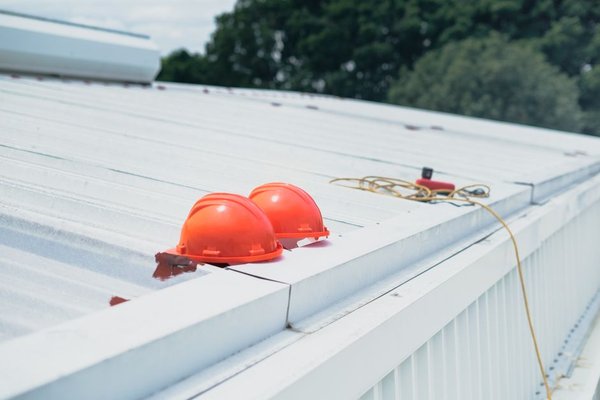
Do not climb onto the roof to investigate. The Health and Safety Executive warns that roof work is hazardous even when it takes only minutes. Fragile rooflights, unprotected edges and unstable surfaces can be dangerous. If water is near electrical fittings, avoid contact and get urgent professional help.
Frequently asked questions
Is checking a roof once a year enough?
An annual check is better than none, but twice-yearly visual inspections are a more useful routine for many UK homes. Check after severe weather or whenever new damage signs appear.
Should I inspect my roof after every storm?
After a significant storm or strong winds, a brief ground-level check is sensible, especially if debris has fallen or you suspect damage. Do not climb up for a closer view.
Can I inspect my roof without a ladder?
Yes. Homeowners can observe many changes from the ground and safe interior spaces. A professional can inspect inaccessible areas using appropriate access equipment and safety precautions.
How do I know if a roof leak is urgent?
Active dripping, spreading damp, falling materials or water near electrics should be addressed promptly. Keep clear of unsafe areas and seek professional assistance instead of waiting for the next scheduled check.
Make roof checks a lasting habit
Put two reminders in your calendar, one for spring and one for autumn, and keep dated photos for comparison. Add a visual check after severe weather, and call a professional whenever symptoms suggest a problem you cannot assess safely. Regular observation will not prevent every defect, but it can help you find trouble before the damage spreads.