Home security has come a long way, hasn’t it? Not too long ago, protecting your house meant heavy alarm systems, tangled wires, and expensive professional installations. Fast forward to now, and smart security cameras for home use have completely changed the game. They’re smaller, smarter, easier to use, and honestly, way more powerful than most people realize.
If you’ve been thinking about upgrading your home security or installing cameras for the first time, you’re in the right place. Let’s talk about what smart security cameras for home really offer, why they matter in 2026, and how they can make everyday life feel a little more secure.
Why Smart Security Cameras for Home Are More Important Than Ever
Let’s be real, life is busier than ever. People travel more, work odd hours, and rely on deliveries constantly. That means homes are empty more often, and porch packages don’t always last long. This is exactly where smart security cameras for home step in.
Unlike traditional cameras that just record footage you might never watch, smart cameras actively work for you. They send alerts to your phone, stream live video anytime, and even recognize familiar faces. The thing is, security isn’t just about stopping crime anymore. It’s about awareness, convenience, and peace of mind.
Knowing what’s happening around your home while you’re at work, on vacation, or even asleep upstairs makes a huge difference. And once you experience that level of control, it’s hard to go back.
How Smart Security Cameras for Home Actually Work
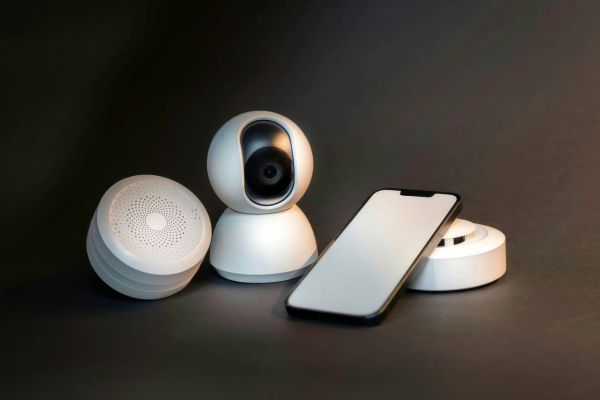
At their core, smart security cameras for home connect to your Wi-Fi network and sync with a mobile app. From there, everything becomes accessible right from your phone. You can check live footage, review recordings, and adjust settings with just a few taps.
Most modern cameras use motion sensors that activate recording only when movement is detected. This saves storage space and makes reviewing footage easier. Many models also use artificial intelligence to tell the difference between people, animals, and vehicles. That means fewer annoying alerts and more relevant notifications.
And yes, night vision is now standard. Even better, some cameras use color night vision with built-in lights, so footage stays clear even after dark. It’s pretty impressive when you think about it.
Indoor vs Outdoor Smart Security Cameras for Home
Choosing between indoor and outdoor cameras depends on what you want to protect. Indoor smart security cameras for home are perfect for keeping an eye on pets, kids, or entryways. They’re usually smaller, discreet, and designed to blend into your living space.
Outdoor cameras, on the other hand, are built to handle rain, heat, dust, and cold. They cover entrances, driveways, yards, and garages. These cameras often have wider viewing angles and stronger night vision.
Many homeowners use a mix of both. The combination creates full coverage and eliminates blind spots. The thing is, there’s no single “best” setup. It all depends on your home layout and lifestyle.
Features That Make Smart Security Cameras for Home Truly Smart
Not all cameras are created equal, and the features make a big difference. One standout feature is real-time alerts. Instead of checking footage hours later, you’re notified instantly when something happens.
Two-way audio is another big deal. This lets you speak through the camera using your phone. Whether you’re telling a delivery driver where to leave a package or warning someone to step away, it’s surprisingly useful.
Cloud storage and local storage options also matter. Some people prefer cloud backups for easy access, while others want local storage for privacy reasons. Many smart security cameras for home offer both, giving you flexibility.
And let’s not forget smart home integration. Cameras that work with voice assistants and automation systems feel more seamless. You can pull up live feeds on smart displays or trigger recordings with other devices. It all connects.
Privacy Concerns and How Smart Security Cameras for Home Handle Them
Privacy is a big topic, and understandably so. Having cameras in and around your home raises questions. The good news is that modern smart security cameras for home offer better privacy controls than ever before.
You can disable recording in certain areas, schedule downtime, or even physically close the lens on indoor cameras. Encryption has also improved, meaning footage is harder for outsiders to access.
The thing is, privacy comes down to how you use the technology. When set up thoughtfully, smart cameras can protect your home without invading personal space. Balance is key.
Installation Is Easier Than You Think
One of the biggest myths is that installing smart security cameras for home is complicated. In reality, most systems are designed for everyday users, not tech experts.
Wireless models eliminate the need for drilling and long cables. Many cameras mount with simple brackets or adhesive pads. Setup usually involves connecting to Wi-Fi and following in-app instructions. That’s it.
Of course, professional installation is still an option if you prefer it. But for most people, DIY installation saves money and time. Plus, there’s something satisfying about setting it up yourself.
Smart Security Cameras for Home and Daily Peace of Mind
This might sound dramatic, but smart security cameras for home change how you feel about your space. You worry less. You sleep better. You leave the house without that nagging “did I lock the door?” feeling.
Parents use cameras to check on kids after school. Pet owners peek in on furry friends during the day. Travelers monitor their homes from thousands of miles away. It’s not about paranoia. It’s about reassurance.
And sometimes, it’s the small moments. Seeing a delivery arrive safely. Catching a funny moment with your dog. Knowing your home is okay. Those things add up.
Costs and Value in 2026
Price used to be a major barrier, but not anymore. Smart security cameras for home now come in a wide range of prices. You can find budget-friendly models that cover basic needs and premium options packed with advanced features.
Some cameras require monthly subscriptions for cloud storage or advanced alerts. Others work without ongoing fees. It’s worth considering what features you actually need before choosing.
The thing is, when you compare the cost to what you’re protecting, it often feels worth it. Your home, your belongings, your sense of safety. That’s hard to put a price on.
The Future of Smart Security Cameras for Home
Looking ahead, smart security cameras for home are only getting better. Artificial intelligence is becoming more accurate. Facial recognition is improving. Integration with smart locks and lighting is becoming seamless.
We’re also seeing better energy efficiency and solar-powered options, especially for outdoor cameras. That means fewer batteries to replace and less maintenance overall.
In short, this technology isn’t slowing down. If anything, it’s becoming more user-friendly and more powerful at the same time.
Final Thoughts on Smart Security Cameras for Home
At the end of the day, smart security cameras for home are about control, awareness, and comfort. They let you stay connected to your home no matter where you are. They simplify security without sacrificing effectiveness.
If you’re considering adding cameras or upgrading your current setup, now is a great time. The technology is mature, affordable, and incredibly capable. And honestly, once you get used to having that extra layer of protection, you’ll wonder how you lived without it.
Your home is your space. Protecting it should feel empowering, not complicated. Smart security cameras for home make that possible, one notification at a time.