
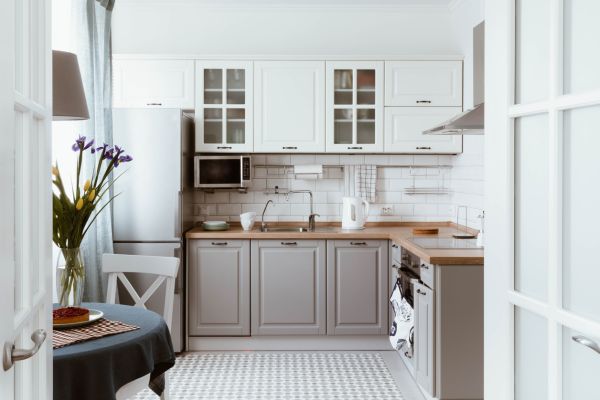
Kitchens have a way of collecting things quietly. A drawer fills with mismatched utensils over time. Coffee mugs multiply without anyone really noticing. Plastic containers lose their lids somewhere along the way, yet somehow still remain in the cabinet for years. What begins as a functional space slowly turns into one that feels crowded, frustrating, and oddly exhausting to use.
It happens in almost every home.
The kitchen is one of the busiest rooms in daily life, which means clutter builds faster there than in most other spaces. Groceries come in constantly, appliances get added for convenience, and countertops gradually become temporary storage areas for things that never quite leave.
The strange part is that clutter doesn’t only affect appearance. A crowded kitchen often changes how people feel in the space. Cooking becomes more stressful. Cleaning takes longer. Even simple tasks like finding a measuring spoon can feel unnecessarily irritating on busy mornings.
That’s why many people eventually start searching for practical tips for decluttering your kitchen — not necessarily to create a perfectly minimal space, but simply to make the room feel calmer and easier to use again.
The good news is that kitchen decluttering rarely requires dramatic renovations or expensive organizing systems. Most of the time, it’s more about rethinking habits, storage, and what truly belongs in the room.
Start With One Small Area Instead of the Entire Kitchen
One of the biggest mistakes people make during decluttering projects is trying to tackle the entire kitchen at once.
At first, the motivation feels strong. Cabinets get emptied, drawers are pulled apart, and counters become covered in piles of random items. But somewhere halfway through, exhaustion usually sets in. What was supposed to feel productive suddenly feels overwhelming.
Starting smaller works better.
A single junk drawer, one shelf, or even the spice cabinet is enough to begin creating momentum. Smaller tasks feel manageable, and finishing one section completely often creates enough motivation to continue naturally.
There’s also something psychologically satisfying about visible progress. A single organized drawer can make the kitchen feel lighter immediately, even if the rest of the room still needs attention.
Decluttering tends to work best when approached gradually rather than aggressively.
Pay Attention to What You Actually Use
Most kitchens contain far more items than people regularly use.
There’s often a waffle maker hidden in the back of a cabinet that hasn’t been touched in years, along with duplicate utensils, chipped dishes, or specialty gadgets purchased with good intentions but forgotten shortly afterward.
One of the most useful tips for decluttering your kitchen is surprisingly simple: pay attention to your actual routines.
Which pans do you reach for constantly? Which mugs get used every morning? Which appliances genuinely make life easier?
The items that support daily life deserve accessible storage space. Everything else should probably be reconsidered.
That doesn’t mean every unused item needs to be thrown away immediately. Some things hold sentimental value, and others are genuinely seasonal. But many kitchens contain objects that remain there simply because no one has paused long enough to question them.
Often, the hardest part isn’t deciding what to keep. It’s realizing how much unnecessary clutter quietly accumulated without notice.
Countertops Feel Better When They Can Breathe
Kitchen counters naturally attract clutter.
Mail gets dropped there temporarily. Grocery bags linger longer than expected. Appliances stay plugged in permanently because putting them away feels inconvenient. Before long, the available workspace starts shrinking.
Clear counters change the atmosphere of a kitchen almost instantly.
That doesn’t mean the space needs to look empty or staged. A coffee maker, cutting board, or fruit bowl can still create warmth and personality. The goal is simply reducing visual overload.
When countertops stay relatively open, kitchens often feel cleaner even before actual cleaning begins.
It also makes cooking easier. Chopping vegetables or preparing meals becomes less frustrating when there’s room to work comfortably without constantly shifting items around.
People sometimes underestimate how mentally calming visual space can feel. An uncluttered counter quietly reduces the sense of chaos in the room.
Expired Pantry Items Deserve More Attention Than Most People Give Them
Pantries have a habit of becoming time capsules.
Half-used sauces hide behind cereal boxes. Duplicate spices pile up unnoticed. Bags of rice or pasta slowly migrate deeper into shelves until they’re forgotten entirely.
Decluttering pantry storage tends to reveal more expired items than expected.
Checking dates may not sound exciting, but it creates immediate improvement. Removing stale ingredients, damaged packaging, or products nobody enjoys eating frees up far more space than most people anticipate.
Organizing pantry items by category also helps prevent future clutter. Baking supplies together, canned goods grouped neatly, and snacks stored intentionally make it easier to see what already exists before buying more.
That visibility matters.
Many kitchen storage problems actually begin at the grocery store, when people purchase duplicates simply because existing items became buried or forgotten.
Drawer Clutter Builds Faster Than Expected
Kitchen drawers seem innocent until they stop closing properly.
Utensils mix together randomly. Old batteries, rubber bands, takeout menus, and mystery objects somehow end up beside measuring spoons. Even organized kitchens often have at least one drawer that feels slightly out of control.
The problem is usually less about space and more about boundaries.
Drawer organizers help, but even simple grouping systems can make a major difference. Separating cooking utensils from random household items immediately improves functionality.
It’s also worth questioning whether every tool deserves drawer space at all. Many kitchens contain multiple peelers, bottle openers, or serving utensils that serve nearly identical purposes.
Decluttering drawers tends to reveal habits more than storage issues. Small objects accumulate because they’re easy to postpone dealing with.
Storage Containers Often Become Their Own Problem
Few kitchen frustrations compare to searching for a matching food container lid.
Plastic storage containers multiply surprisingly fast, especially in busy households. Over time, mismatched lids, cracked containers, and awkwardly stacked sets create unnecessary cabinet chaos.
A practical reset helps.
Keeping only matching sets and removing damaged pieces immediately makes cabinets feel more functional. Storing lids vertically instead of piled randomly also reduces frustration dramatically.
Glass containers have become popular partly because they stack more consistently and tend to last longer, though preferences vary from household to household.
The larger point is less about the containers themselves and more about reducing small daily annoyances. Tiny frustrations add up quickly in cluttered kitchens.
Open Shelving Looks Better With Less Stuff
Open shelving became popular partly because it creates an airy, relaxed look in kitchens. But maintaining that look depends heavily on restraint.
Too many visible dishes, jars, or decorative objects can quickly make shelves feel crowded instead of curated.
The most successful open shelving setups usually leave intentional empty space between objects. A few stacked bowls, neatly arranged glassware, or simple ceramics tend to feel calmer than shelves packed tightly from edge to edge.
There’s an important distinction between storage and display.
Open shelves work best when they highlight items people genuinely enjoy seeing every day rather than acting as overflow storage for excess kitchen supplies.
Decluttering Becomes Easier When Cleaning Habits Change
One reason clutter returns so quickly is that kitchens operate continuously. Meals happen daily, dishes reappear constantly, and groceries cycle through every week.
That’s why long-term decluttering often depends more on habits than one-time organizing sessions.
Simple routines help maintain order naturally. Clearing counters before bed, returning items to their designated spots, or regularly checking pantry shelves prevents buildup from becoming overwhelming again.
Perfection usually isn’t realistic, nor is it necessary.
Most functional kitchens look lived-in. The goal isn’t creating a showroom. It’s creating a space that supports daily life without adding unnecessary stress.
Sometimes the difference between a cluttered kitchen and a manageable one comes down to small repeated actions rather than dramatic transformations.
Emotional Attachment Plays a Bigger Role Than Expected
Kitchen clutter isn’t always practical. Sometimes it’s emotional.
People keep inherited dishes they never use, novelty mugs tied to old memories, or appliances connected to hobbies they wish they practiced more often. Letting go of those items can feel surprisingly personal.
That’s completely normal.
Decluttering doesn’t require removing every sentimental object. The challenge is finding balance between meaningful keepsakes and functional living space.
A kitchen filled entirely with emotional clutter often becomes harder to enjoy in the present moment. Keeping a few genuinely meaningful pieces while releasing others usually creates a healthier balance.
The process becomes less about perfection and more about intentionality.
Conclusion
Finding practical tips for decluttering your kitchen isn’t really about creating a flawless or minimalist home. Most people simply want a kitchen that feels calmer, easier to navigate, and more enjoyable to spend time in.
Clutter builds gradually because kitchens are active spaces tied closely to daily routines and family life. That’s part of what makes them feel lived-in and welcoming. But when the accumulation becomes excessive, the room can start creating stress instead of comfort.
Small changes often make the biggest difference. Clearing countertops, organizing drawers, reducing unused items, and improving pantry visibility all help the kitchen function more smoothly without requiring a complete redesign.
What matters most is creating a space that supports the way life actually happens inside the home.
A decluttered kitchen rarely stays perfectly organized forever, and honestly, it probably shouldn’t. Real kitchens collect evidence of everyday life. The goal isn’t perfection. It’s simply making enough room for the space to breathe again.