
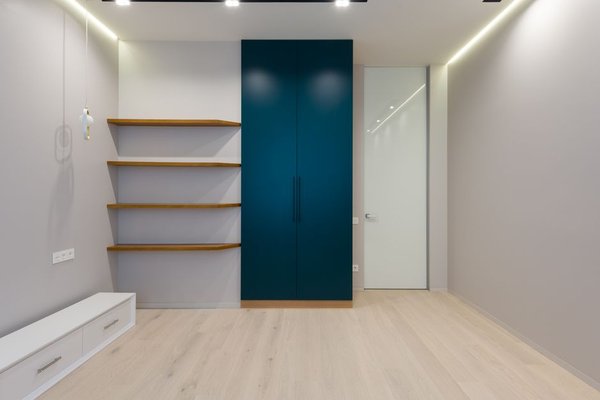
Bedroom storage has become less about hiding everything behind one seamless wall and more about choosing furniture that gives a room character. That shift has brought the freestanding wardrobe vs fitted storage debate back into focus. A fitted scheme can use awkward corners brilliantly, but a standalone wardrobe can move, age gracefully and make a bedroom feel less like a showroom.
The right choice depends on your room, how long you expect to live there, what you store and whether you prefer a calm architectural finish or a more collected, flexible look.
The Main Difference Is Flexibility Versus Efficiency
Fitted storage is designed around the room. It can stretch from wall to wall, reach the ceiling and accommodate sloping roofs, chimney breasts or shallow alcoves. This usually creates more usable capacity than a standard wardrobe placed in the same area.
A freestanding wardrobe is an individual piece of furniture. It leaves space above, beside or behind it, but that is not always a disadvantage. Visible wall space can help a compact bedroom breathe, while the furniture can become part of the decorative scheme rather than disappearing into the architecture.
When a Freestanding Wardrobe Makes More Sense
Freestanding furniture is useful for renters, first-time buyers and anyone who expects their needs to change. It can be repositioned when the bed moves, transferred to another bedroom or taken to a new home. A well-made timber wardrobe may also be repaired, repainted or resold rather than removed during the next renovation.
This route offers more freedom in style. Vintage storage furniture, painted wardrobes and compact armoires can add warmth and create a layered look that feels gathered over time.
It Can Be the Better Choice for a Small Room
Fitted units are often recommended for small bedrooms, and they can maximise capacity. However, maximum capacity is not always the best layout. A floor-to-ceiling installation may make a narrow room feel boxed in, especially when dark doors cover a long wall.
Consider a typical UK box room measuring roughly 2.4 by 2.7 metres. A shallow two-door wardrobe on the shortest solid wall may leave enough visual space for a desk or bedside shelf, whereas deep fitted cabinetry could narrow the route beside the bed. Mark the wardrobe footprint on the floor with masking tape before buying to test the layout.
Freestanding Storage Is Easier to Build in Stages
You do not need to solve the entire room at once. Start with a wardrobe for hanging clothes, then add a chest of drawers, blanket box or wall shelf only if needed. These freestanding storage ideas suit limited budgets because each piece can be chosen separately and replaced without disturbing the rest of the room.
Where Fitted Storage Still Wins
Fitted wardrobes are strongest when the room itself creates a storage problem. Sloping ceilings, uneven alcoves and awkward recesses can leave standard furniture surrounded by unusable gaps. Made-to-measure cabinetry can turn those areas into rails, drawers, shoe shelves or luggage compartments.
They also suit households that want most possessions hidden. Internal layouts can be planned around long garments, folded clothes, accessories and shared zones. Sliding doors may work where hinged doors lack clearance, although only part of the wardrobe opens at one time.
A fitted design can look calm and deliberate when the doors match the wall colour. It may be the right investment for a long-term home where the bedroom layout is unlikely to change.
Cost, Installation and Long-Term Value
Freestanding wardrobes are available at many price levels, from flat-pack models to solid-wood antiques. The purchase price is usually easier to control, and installation may require little more than assembly and safe anchoring to the wall. Large furniture should be secured properly, particularly in homes with children, and access routes should be measured before delivery.
Fitted storage normally costs more because it includes design work, materials and installation. Prices vary according to size, door style, internal fittings and bespoke joinery. It can add practical appeal, but homeowners should not assume they will recover every pound at resale. A layout tailored closely to one person may not suit the next owner.
The better value is the option that remains useful. Paying less for an undersized wardrobe that creates daily clutter is false economy, just as commissioning expensive cabinetry without auditing your clothes can produce shelves and rails you rarely use.
Style: Seamless, Collected or Somewhere Between
The move towards relaxed, organic bedrooms has increased interest in fitted wardrobe alternatives. Rather than filling every wall, many rooms combine one substantial wardrobe with a chest, hooks, baskets or an open shelving bedroom arrangement. The result can feel lighter and more personal, provided visible storage is edited carefully.
Open shelves work best for attractive, frequently used items. Folded knitwear, bags or storage boxes can look intentional, while overflowing piles create visual noise. Curtains or matching boxes can soften the effect.
A hybrid scheme often delivers the best balance. Fit shallow cupboards into a difficult eaves section, then use a vintage wardrobe as the focal point. Semi-fitted modular units with finishing panels can also reduce awkward gaps without committing to fully bespoke carpentry.
Related reading opportunities include bedroom storage ideas, decorating with vintage furniture and small bedroom layout planning.
A Practical Way to Decide
Begin with an inventory rather than a furniture catalogue. Measure the width of your hanging clothes, count folded categories and note bulky items such as suitcases, bedding and shoes. Then measure the room, including skirting boards, sockets, radiators, door swings and the route to the intended position.
Choose freestanding when flexibility, character, lower commitment or future moves matter most. Choose fitted storage when awkward architecture, high capacity and a seamless appearance are priorities. Choose a hybrid when one area needs precision but you still want the warmth and adaptability of individual furniture.
Frequently Asked Questions
Are fitted wardrobes always better for small bedrooms?
No. They can use every centimetre efficiently, but a large fitted wall may feel visually heavy. A carefully sized freestanding wardrobe can preserve openness and make future layout changes easier.
Do freestanding wardrobes waste too much space?
They usually leave gaps above or beside the unit, but those gaps may improve the proportions of the room. The real question is whether the wardrobe provides enough organised storage for your belongings.
Can a freestanding wardrobe look built in?
Yes. A joiner can add side fillers, a top panel or matching trim around a suitable wardrobe. This creates a more integrated appearance while retaining some of the affordability of standard furniture.
Which option is better for renters?
Freestanding storage is normally more practical because it does not require permanent installation and can move with you. Check the tenancy terms before fixing furniture or anti-tip straps to a wall.
Choosing Storage That Suits the Room
The freestanding wardrobe vs fitted storage decision is about how you want the bedroom to work and feel. Fitted cabinetry offers precision and maximum capacity; freestanding furniture offers mobility, individuality and freedom to evolve. Measure carefully, plan around your real possessions and resist treating either option as automatically superior. The best bedroom storage supports daily life without overwhelming the room.