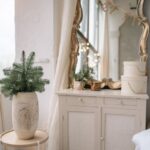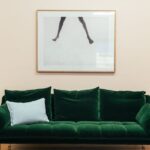

Matching furniture sets can make a room look finished quickly, but they can also flatten its personality. A vintage modern mix feels different: one piece brings patina and history, while another adds cleaner lines, comfort or practical storage. The result should not look random. It should feel as though the room has developed over time.
That “collected rather than coordinated” approach suits UK homes, where period architecture, inherited furniture and contemporary living often meet. The key is to create enough connection between pieces that the contrasts look intentional.
Begin With the Room, Not a Shopping List
Before buying anything, study the room. Ceiling height, flooring, fireplaces, windows and natural light all influence which styles will work. A Victorian sitting room can carry substantial timber furniture, while a compact new-build flat may need slimmer vintage pieces and modern storage that earns its floor space.
Measure doors, circulation routes and wall lengths. A beautiful antique sideboard that blocks a doorway will never feel right. Good eclectic furniture styling starts with function, then adds character.
Choose One Era to Lead
A balanced room does not need equal amounts of old and new. Decide which side will form the foundation. You might use a modern sofa, plain rug and contemporary shelving, then add a vintage armchair, old chest and ceramic lamp. Alternatively, an antique dining table can be refreshed with modern chairs and simple lighting.
Keeping one era dominant prevents visual noise. Think of the second style as contrast rather than competition. A rough three-to-one balance can help at first, but it is a guide, not a rule.
Find a Common Thread
Furniture from different decades needs at least one shared element. Colour is often the easiest link. A walnut cabinet can connect with a modern sofa through rust cushions, tan leather or a warm-toned rug. Repeating black in chair legs, frames and a contemporary lamp can make unrelated pieces feel planned.
Shape works too. Curved vintage chairs can echo a rounded modern coffee table, while straight-lined mid-century storage can sit beside a boxy contemporary sofa. Repetition should be subtle; the room needs rhythm, not copies.
Balance Visual Weight
Old furniture is often visually heavier because of dark timber, carving or substantial proportions. Avoid clustering every weighty piece on one side. Spread dark finishes and strong silhouettes around the room so the eye travels naturally.
Imagine a living room with a large navy modern sofa opposite an Edwardian mahogany cabinet. A dark-framed side table near the sofa and a pale lamp on the cabinet distribute the contrast. Without those bridges, the cabinet may look isolated.
Let One Vintage Piece Be the Star
If you are new to mixing vintage and modern furniture, start with one focal point. A carved mirror, farmhouse table, 1960s lounge chair or old haberdashery cabinet can give a modern room depth.
Give it breathing space. A sculptural vintage chair looks stronger beside a restrained floor lamp than beside several equally elaborate pieces. Not every old item needs to compete for attention.
Use Textiles to Join Different Eras
Fabric can soften the gap between contemporary furniture and aged timber. Rugs, curtains, cushions and upholstery introduce colours that belong to both sides of the scheme. A Persian-style rug can ground a modular sofa, while a vintage chair recovered in plain boucle or striped linen can feel fresh without losing its shape.
Before reupholstering, check whether a piece has historic or financial value. For ordinary second-hand finds, new fabric is one of the easiest ways to create a layered interior look.
Mix Finishes Instead of Matching Wood
Trying to match every timber tone usually makes the process harder. Oak, walnut, pine and painted furniture can coexist when the differences look deliberate. Aim for a controlled palette, perhaps one pale wood, one dark wood and a painted finish.
Repeat each important tone where possible. A dark vintage desk may connect with a black-stained modern shelf, while a pale oak table can relate to a light picture frame. Separate near-matching woods if the small difference looks accidental.
Keep the Background Calm
A neutral or softly coloured backdrop gives furniture from different periods room to work together. Warm white, muted green, clay, soft blue and gentle grey can support collected home decor without pushing the room into one era.
Panelling, wallpaper or strong paint can still work, but the furniture mix should then be more edited. When walls, flooring and every item compete, the room loses hierarchy.
Modernise With Lighting and Art
Lighting can bridge eras without replacing major furniture. A crisp pendant sharpens a room filled with traditional pieces, while a vintage glass lamp or pleated shade adds warmth to modern cabinetry.
Art performs the same job. Hang contemporary prints above an antique console, or place an old oil portrait near a streamlined media unit. Frames need not match, but repeating one or two finishes keeps the wall coherent.
Avoid Creating a Period Set
Grouping every vintage item together can make one corner resemble a shop display. Put old and new pieces in direct conversation: a vintage desk with a modern chair, a contemporary bed with antique bedside tables, or an old dining table with clean-lined seating.
Do not buy something merely because it is old. Condition, scale and usefulness matter more than age. Check drawers, joints, signs of woodworm, upholstery, odours and repair costs before bringing second-hand furniture home.
Build the Room Slowly
The most convincing vintage modern mix usually develops over time. Live with the major pieces before filling every gap. Photograph the room from several angles, because pictures often reveal imbalance more clearly.
When shopping, carry measurements, fabric samples and photographs of what you own. This prevents attractive but unsuitable impulse purchases. Related topics include choosing statement furniture, arranging a small living room and buying second-hand furniture safely.
Frequently Asked Questions
Can you mix several vintage periods in one room?
Yes, but limit the number of strong styles. Pieces from different decades can work when they share colour, material, shape or scale. Avoid making every item a separate statement.
How much vintage furniture should a modern room contain?
There is no fixed percentage. One substantial vintage piece may be enough in a small room, while a larger space can carry several. Stop when the room feels layered rather than themed.
Should all wood furniture match?
No. Mixed wood tones often look more natural. Use a controlled range, repeat the main tones and separate near-matches that appear accidental.
How do I make inherited furniture look less old-fashioned?
Place it beside cleaner modern shapes, simplify the accessories and consider updated hardware or upholstery when appropriate. Good lighting and contemporary art can also change how the piece reads.
Create Connection, Not Uniformity
Successfully mixing vintage and modern furniture is not about one perfect ratio. It is about balancing scale, colour, shape and visual weight so every piece contributes. Let one style lead, repeat a few connecting details and leave space for distinctive furniture to be noticed. When the contrasts are thoughtful, the room feels personal, practical and collected over time rather than purchased all at once.