
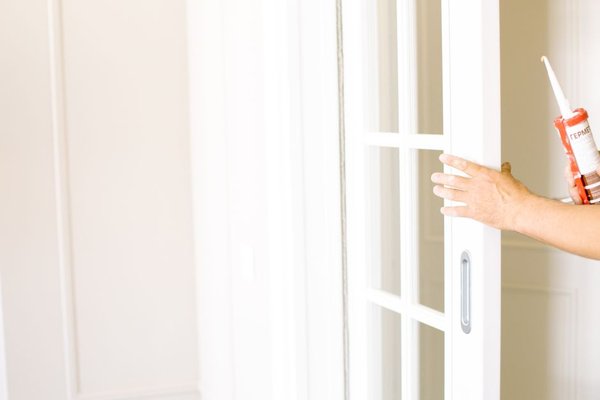
A door that needs a shoulder to close is telling you something. It might have dropped slightly on its hinges, absorbed moisture, or developed a tight spot where paint meets the frame. The quickest way to fix a sticking door is to find that point of resistance before reaching for sandpaper. Removing wood when a hinge is loose can turn a small fault into a permanent gap.
Most sticking internal doors can be diagnosed with a pencil, screwdriver and a few careful checks. Work from simple causes towards more invasive repairs, and stop if the door is fire-rated or shows significant frame movement.
Find Exactly Where the Door Is Catching
Open the door halfway, then close it slowly without forcing the handle. Watch the narrow gap between the door and its frame, especially at the top and along the latch side. Look for scuffed paint, compressed edges or a section where daylight disappears. Mark the rubbing spot lightly in pencil.
If contact is difficult to see, slide a thin strip of paper around the closed door’s edge. Where it grips tightly, the clearance is smaller. Try the door with the latch held back, too. If it swings freely but refuses to latch, the problem may be the catch rather than a swollen door.
What the Contact Point Can Tell You
Rubbing at the upper corner on the handle side often suggests a sagging door or loose upper hinge. A tight section of the latch-side edge may indicate moisture expansion or accumulated paint. Scraping at the bottom can point to sagging hinges, a new carpet or a changed floor level. If the latch hits the metal strike plate, investigate alignment before altering the wood.
Check the Hinges Before Removing Any Wood
Loose hinges are one of the easiest causes to correct. Support the door, then inspect the screws on both the door leaf and frame. Tighten loose screws with a correctly sized screwdriver, taking care not to strip the heads. Close the door again and compare the gap around its edges.
For example, imagine a bedroom door that catches at the top near the handle. When you lift the handle slightly, the door moves upwards and shuts more easily. That change strongly suggests hinge movement. Tightening the upper hinge may restore the alignment without sanding anything.
What If a Hinge Screw Just Spins?
A screw that turns without gripping probably has a stripped hole. A suitable wood plug bonded into the hole can provide fresh material for the screw after the repair sets. A correctly sized longer screw may help if it safely engages sound timber behind the hinge. Avoid overtightening or driving screws into concealed services. If the hinge is bent or worn, replacement may be wiser. See also fixing loose door hinges for related repairs.
Work Out Whether Moisture Is Making the Door Swell
Timber changes size as it gains and loses moisture. A bathroom door that closes easily in dry weather but drags after weeks of humidity may be expanding. Check for condensation, poor ventilation, damaged paint around the edges or a leak near the frame.
Deal with the moisture source first. Improve ventilation, repair leaks and allow a damp door time to dry naturally. Avoid aggressive heating, which can encourage uneven drying. If the fit improves as conditions stabilise, planing the edge immediately could leave an excessive gap later.
Once the door is dry, repair damaged protective finishes using a coating appropriate to the material. Remember exposed top and bottom edges where the manufacturer’s instructions permit. Reducing condensation at home is worth exploring if dampness keeps returning.
Look for Paint Build-Up and Small Obstructions
Several layers of paint can turn an adequate clearance into a tight fit, particularly where the door meets the frame. Check for thick ridges, drips and paint bridges at the corners. Loose seals, a displaced door stop or protruding screw heads can also create friction.
For an ordinary non-fire-rated timber door, a small paint ridge may be carefully smoothed after checking the surface and taking dust precautions. Older coatings may contain lead; if their age or composition is uncertain, use a suitable testing or professional approach rather than dry-sanding them. Clean away debris and test again.
Separate a Latch Problem from a Door Alignment Problem
If the door reaches the frame smoothly but needs a shove to click shut, inspect the latch and strike plate. Wear marks can show whether the latch sits too high, too low or too far from the opening. Check that the handle retracts the latch fully and that the plate screws are secure.
A door alignment problem caused by hinge movement should be corrected at the hinges before moving the strike plate. Minor plate adjustment may be possible on a standard internal door, but excessive cutting can make the latch insecure. Stop if the frame is cracked or visibly distorted.
When Is Sanding or Planing the Right Repair?
Only consider removing material after checking hinges, moisture, hardware and paint. If a conventional timber door still rubs at a clearly identified point, mark that area and remove as little material as practical, checking the fit repeatedly. Protect surrounding finishes, use tools safely and reseal newly exposed timber to reduce moisture absorption.
Be cautious with hollow-core, veneered and engineered doors, which may have strict trimming limits. Fire doors require even greater care: changing their edges, seals, closers or clearances can compromise fire performance. Consult the manufacturer’s instructions and a competent fire-door specialist rather than treating one as a routine internal door repair.
Know When to Get Repair Help
A door that suddenly jams after building work, a visibly shifted frame or several doors developing the same fault may suggest wider movement. Damp-stained timber, rot, persistent leaks and serious warping also deserve assessment. Never force a door shut if it could block an escape route.
Frequently Asked Questions
Why does my door stick only in summer or wet weather?
Humidity may cause timber to expand. Check for dampness and ventilation problems first. If the door returns to normal in drier conditions, avoid removing wood to fix a temporary tight fit.
Can I use oil to stop a door rubbing against its frame?
Lubricant may help a squeaking hinge, but it cannot correct a door rubbing against timber, paint or flooring. Find the contact point and address its cause instead.
How do I know if the hinges are causing the sticking?
Look for loose screws, moving hinge plates and an uneven gap. If gently lifting the door changes how it closes, sagging hinges are a likely cause.
Should I plane a swollen internal door?
Not straight away. Resolve moisture problems and recheck the fit. Plane only an appropriate door, within manufacturer limits, when material removal is truly necessary. Never casually trim a fire-rated door.
A Better Fix Starts With the Right Diagnosis
Learning how to fix a sticking door is mostly about knowing what not to change too soon. Locate the rub, test the latch, tighten sound hinges and investigate moisture before sanding or trimming. Those checks often solve the problem while preserving the door’s fit, finish and useful life.