
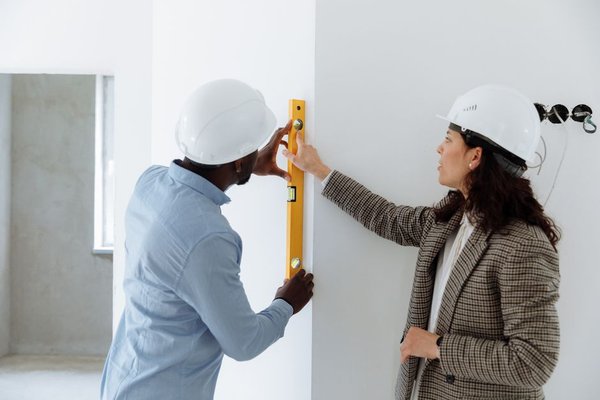
Hiring a renovation contractor is less about finding the smoothest sales pitch and more about learning how someone runs a project when things get complicated. A good interview should reveal how a contractor prices work, manages schedules, supervises trades, handles changes, and responds when a problem appears behind a wall. Asking the same renovation contractor questions of every candidate also makes comparisons more useful than relying on first impressions.
Start With Relevant Experience
What similar renovations have you completed recently?
Ask for examples that resemble your project in size, age of home, and complexity. A contractor who mainly builds new homes may not face the same challenges as one who regularly remodels occupied properties. If you are renovating an older kitchen, experience with outdated wiring, hidden plumbing, uneven framing, and restricted access can be particularly valuable.
Who will manage the job day to day?
Find out whether the person giving the estimate will supervise the site or hand the project to a manager or foreman. Ask who will be your main contact, how often that person will be on site, and how questions are handled. This is one of the most useful contractor interview questions because communication often changes once work begins.
Can I speak with recent clients?
Request references from recent projects, preferably similar ones. Ask whether the contractor communicated changes clearly, protected the property, stayed reasonably close to the agreed schedule and price, and returned to resolve outstanding items. Questions about the process usually reveal more than simply asking whether a client liked the finished room.
Verify the Business Before You Hire
Are you licensed and insured for this work?
Licensing requirements vary by state and locality, so verify any required license with the appropriate government authority. Ask for proof of current insurance, including general liability coverage and workers’ compensation where applicable. You want to understand who carries responsibility if property is damaged or someone is injured during the project.
Who handles permits and inspections?
Ask which permits are likely to be required and who will obtain them. Be cautious if someone encourages you to skip required permits simply to save time or money. Local rules differ, but responsibility for compliance should be clear before work starts.
Make the Estimate Easy to Compare
What exactly is included in the price?
Ask for a written estimate that identifies the major parts of the job, materials, allowances, exclusions, and assumptions. Two bids can have similar totals while covering very different scopes. One may include demolition, debris removal, preparation, and cleanup while another treats those as extras. A useful renovation contractor checklist compares scope as well as price.
Which costs are allowances rather than fixed selections?
Allowances are common for items not yet chosen, such as tile, lighting, fixtures, or hardware. Ask what amount has been included and what happens if your final choice costs more. A low allowance can make an estimate look cheaper even when the likely finished price is not.
How will payments be scheduled?
Look for a payment schedule tied to meaningful stages of the work rather than full payment upfront. Deposit rules can vary by jurisdiction, so check local requirements. Also ask how final payment relates to completion, punch-list items, warranties, and any required closeout documents.
Ask How Time and Subcontractors Are Managed
What is the expected start date and project duration?
Ask what could delay the start, how many projects the company runs at once, and what the schedule depends on. A realistic plan should account for inspections, material lead times, subcontractors, and unforeseen conditions. If your household has a fixed deadline, discuss it before signing.
Which parts of the work will be subcontracted?
Many contractors use specialist trades for electrical, plumbing, HVAC, roofing, or other work. Useful builder questions include who selects and supervises subcontractors, how required licenses or insurance are checked, and who is responsible for their quality and scheduling.
How will you protect the rest of the home?
Renovation brings dust, noise, deliveries, waste, and foot traffic. Ask about dust barriers, floor protection, debris removal, working hours, security, pets, and daily cleanup. On an occupied-home project, these details can strongly affect your experience.
Plan for Changes Before They Happen
What happens if you uncover a hidden problem?
Imagine demolition reveals water-damaged framing behind a shower wall. Before authorizing extra work, you should know who documents the issue, how the repair is priced, whether the schedule changes, and what approval is required. Ask the contractor to explain the process using a real example from a previous renovation.
How are change orders approved?
Changes should be documented before extra work proceeds whenever practical. Ask whether a change order will show the revised scope, added or reduced cost, schedule effect, and your approval. This reduces disputes over quick conversations on site.
How do you handle mistakes or disagreements?
Problems can occur even on well-run jobs. Ask who has authority to make corrections, how issues are recorded, how quickly the team responds, and what happens if you disagree about whether work meets the contract. The answer can tell you more than a promise that nothing ever goes wrong.
Review the Written Contract Carefully
The important answers from your interviews should appear in the written agreement where relevant. Check the scope of work, major materials or specifications, approximate timing, payment schedule, change-order process, warranties, and cleanup obligations. Avoid signing documents with blank spaces or relying on verbal promises for major details.
Before choosing a contractor, it can also help to review home renovation budget planning, use a consistent method for how to compare contractor quotes, and keep a renovation contract checklist beside you when reading the agreement. Those steps make the hiring process more systematic.
Frequently Asked Questions
How many contractors should I interview?
There is no universal required number, but speaking with multiple qualified contractors gives you a better basis for comparing scope, communication, availability, and pricing. The purpose is to understand why proposals differ, not simply to find the lowest bid.
What are major red flags when interviewing a contractor?
Pressure to decide immediately, refusal to provide a written contract, unwillingness to show required credentials, or a demand for full payment upfront should prompt caution. Vague answers about supervision, changes, or problem handling also deserve closer scrutiny.
Should I ask about subcontractors?
Yes. Ask which trades will be subcontracted, who manages them, and who is responsible for scheduling, quality, insurance, and required licensing. You should understand the chain of responsibility before work starts.
What should I bring to a contractor interview?
Bring plans or sketches, photos of the existing space, a short written scope, known priorities, a budget range, and your list of questions. Giving each contractor the same core information helps produce estimates that are easier to compare.
Choose the Contractor Whose Process You Understand
A renovation may last for weeks or months, so the strongest candidate is not simply the one with the most attractive price. Look for clear answers about responsibility, scheduling, payments, changes, and problem solving. A detailed conversation before hiring can expose mismatched expectations while they are still easy to correct and give you a much clearer picture of how the project will actually be managed.