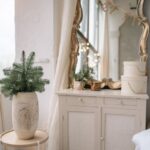
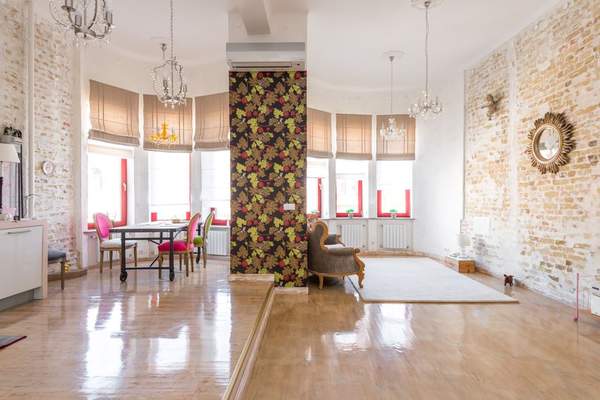
Mixing vintage and modern furniture is less about following a strict formula and more about creating a room that feels as though it has evolved over time. Instead of buying a perfectly coordinated suite, you bring together pieces with different histories, finishes and personalities. The result is a home that feels warm, individual and genuinely lived in rather than arranged straight from a catalogue.
This collected approach is popular across UK interiors because it offers freedom. A contemporary sofa can sit beside a mid-century sideboard, while an inherited armchair can look fresh beneath a modern lamp. When the balance is right, the contrast makes every piece more interesting.
Start with a clear visual direction
Before moving furniture around, decide what you want the room to feel like. You do not need to choose one historical period, but a simple mood helps keep the scheme focused. You might want a calm living room with natural materials, or a more expressive space filled with colour, pattern and sculptural shapes.
Create a small reference board using rooms, colours and pieces you like. Look for repeated themes. Perhaps you prefer dark wood, curved silhouettes and muted upholstery, or a vintage modern mix of pale oak, chrome and bold artwork. These common threads will guide decisions and prevent the room from feeling random.
Choose one style to lead
A successful room usually has a dominant style and a supporting style. Trying to divide the space exactly fifty-fifty can make it feel unsettled. Instead, allow either the modern or vintage elements to establish the foundation, then use the other to add contrast and character.
A modern room might begin with a streamlined sofa and restrained palette. Vintage interest could come from a carved coffee table, old mirror and ceramic lamps. In a period property, antique furniture may already lead, so a contemporary rug or minimalist lighting can bring the room into the present.
Connect different pieces through colour
Colour is one of the easiest ways to make furniture from different eras feel related. The pieces do not need to match, but repeating two or three tones creates continuity. A rust-coloured vintage chair might connect with cushions on a modern sofa, while black details in an antique cabinet can be echoed in contemporary lighting or picture frames.
Wood tones deserve attention too. Mixing woods can look rich and natural, but too many unrelated finishes may become distracting. Aim for a loose family of warm, cool or neutral tones. You can still pair a dark walnut table with lighter oak chairs, provided another element repeats each finish somewhere in the room.
Balance shape, scale and visual weight
When mixing vintage and modern furniture, proportion matters as much as style. An oversized Victorian cabinet can overwhelm a delicate contemporary chair, while a low sofa may feel disconnected from a tall antique table. Consider the height and visual weight of each item before placing it.
Balance does not mean symmetry. A substantial vintage sideboard on one wall might be offset by a large modern artwork or a generous sofa opposite. A slim metal lamp can also lighten the appearance of a heavy wooden desk. This contrast is central to effective eclectic furniture styling because it creates tension without making the room feel crowded.
Use texture to build a layered interior look
Texture helps different eras sit together naturally. Older furniture may bring patina, worn leather, aged brass or carved detail, while modern pieces introduce smooth upholstery, glass, polished stone or clean metal. Combining these surfaces gives the room depth and stops either style from dominating too strongly.
Soft furnishings are useful bridges. A contemporary linen sofa can feel more relaxed with a vintage wool throw, while an antique chair can be refreshed with a simple cushion in a modern geometric fabric. Rugs, curtains and lampshades can also connect periods without permanently altering valuable furniture.
Let a few statement pieces do the work
You do not need a room full of antiques to achieve a collected home decor style. One or two distinctive vintage pieces can provide enough history, especially in a modern setting. A worn dining table, unusual cabinet or sculptural armchair can become the focal point around which simpler furniture is arranged.
The same principle works in reverse. In a traditional room, one contemporary piece with a strong silhouette can sharpen the entire scheme. Give statement furniture breathing space, avoid surrounding every standout item with competing objects, and leave clear areas of wall or floor to keep the room visually calm.
Avoid matching sets and forced themes
Matching furniture sets can make a room feel flat because every item has the same finish, shape and visual rhythm. A more interesting interior develops through variation. Dining chairs do not all need to be identical, bedside tables can differ, and a coffee table does not have to match the television unit.
Variety should still feel intentional. Similar metal finishes, related upholstery colours or recurring curved forms can quietly tie everything together. This separates a layered interior look from a collection of unrelated purchases.
Style the room gradually
Rooms with character are rarely completed in one shopping trip. Start with the essentials, then add pieces slowly. Living with the room makes it easier to judge whether it lacks warmth, colour or storage.
Measure vintage furniture carefully and inspect its condition before buying. Check doors and drawers, look for signs of woodworm or serious damage, and consider whether upholstery needs professional attention. A piece does not need to be perfect, but it should be safe, functional and suitable for daily use.
Frequently asked questions
Can you mix several vintage periods in one room?
Yes. Pieces from different periods can work together when they share a colour, material, shape or overall mood. Keep the room grounded with a consistent palette and avoid using so many decorative items that they compete for attention.
How much vintage furniture should a modern room include?
There is no fixed percentage. Begin with one substantial vintage piece or two smaller accents, then assess the balance. The goal is contrast and character, not filling the room with antiques.
Should all wood furniture be the same colour?
No. Mixed woods often create a more natural, collected appearance. Try to repeat each major wood tone at least once and keep the undertones broadly compatible so the combination feels deliberate.
How can I make an inherited item fit a modern interior?
Place it beside simpler furniture, update the surrounding colours or pair it with contemporary lighting and artwork. Reupholstering may help, but preserve original materials when the piece is valuable or historically significant.
Create a room that feels personal
The most convincing approach to mixing vintage and modern furniture is to focus on connection rather than coordination. Use colour, proportion, texture and repeated details to create unity, then allow individual pieces to retain their own identity. A room should not look as though everything arrived on the same day.
By choosing thoughtfully and styling gradually, you can create a space that feels balanced, useful and full of personality. The best vintage modern mix is not perfectly matched. It tells a story, reflects the people who live there and becomes more interesting with time.